| Feature | What it means | Planning use |
|---|---|---|
| Pork bones | The main ingredient of the broth | Choose tonkotsu when you want a pork-driven bowl rather than a light, clear soup. |
| Collagen turning to gelatin | Simmering breaks collagen down into gelatin, giving a milky look and silky texture | Judge a bowl by its body and colour. A thin, clear broth is not what the style is aiming for. |
| Lard | Supplies much of the pork flavour in the soup | If a home broth tastes flat, the fat component is a place to look. |
| Traditional simmer | Pork bones simmered for 8 hours or more | Treat the classic method as a project day, or leave it to a specialist kitchen. |
| Pressure-cooker shortcut | 80 minutes at high pressure, then a 30-minute boil | The realistic route for a home cook who wants a creamy broth in an evening. |
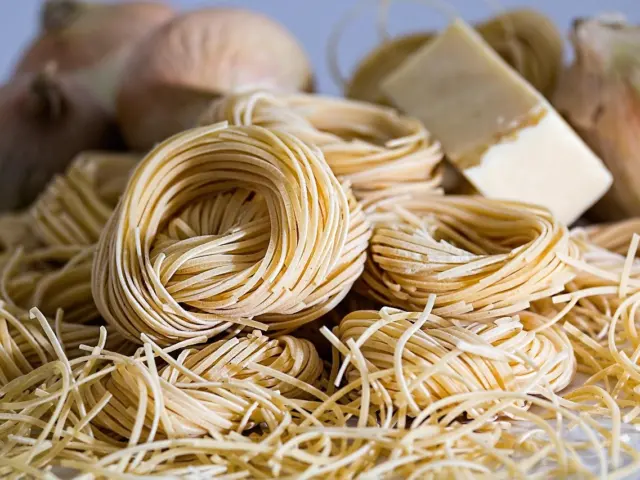
| Noodles | Thin fresh noodles are recommended | Match thin noodles to a thick, rich broth, and buy fresh if you can. |
Broth and time figures come from Sudachi’s tonkotsu ramen guide and Brian Lagerstrom’s tonkotsu recipe.
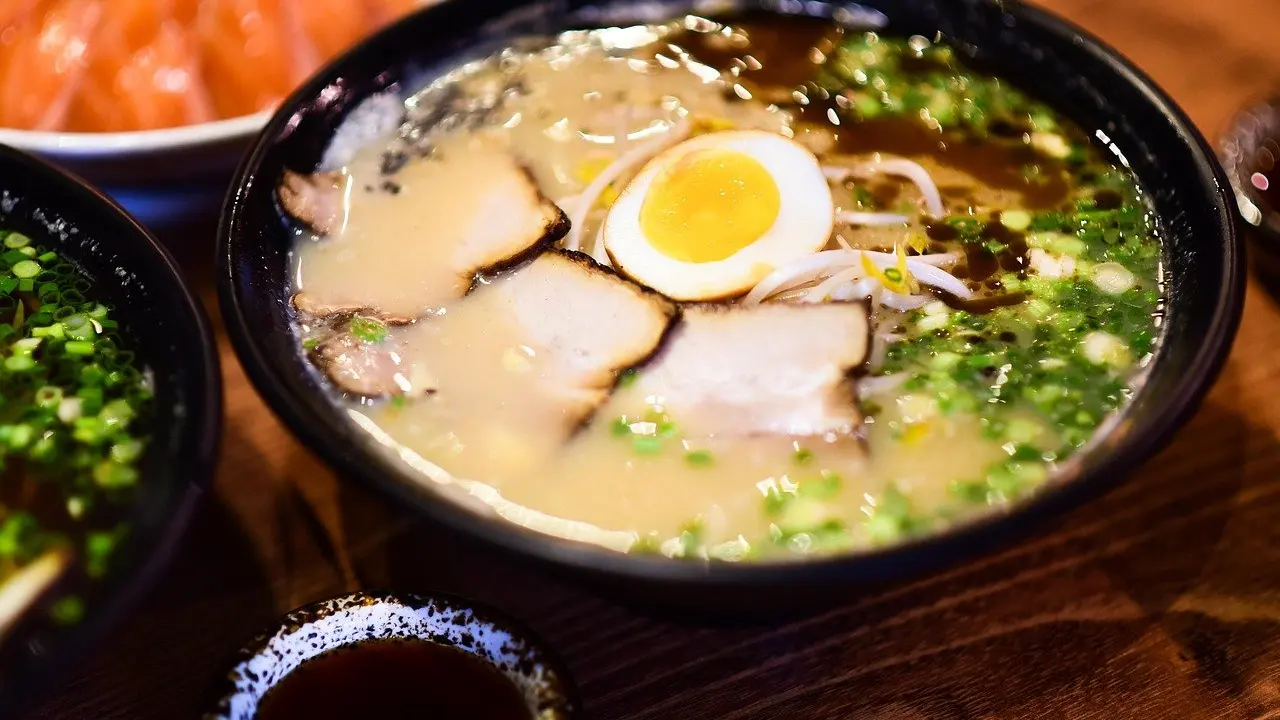
So what is tonkotsu ramen? It is ramen built on a milky pork-bone broth, in which long simmering turns collagen into gelatin, giving a silky texture and a rich pork flavour.
The sections below explain what that means for the bowl in front of you: how it tastes, how long it takes, what goes on top and where it comes from. For wider context, see our ramen shop guide, or compare the style with other types of ramen broth.
What tonkotsu tastes like
Tonkotsu tastes strongly of pork, and it feels thick and silky rather than thin. Two things produce that. The bones give the broth its base, and lard adds the pork flavour that Sudachi’s guide calls key to a tonkotsu soup.
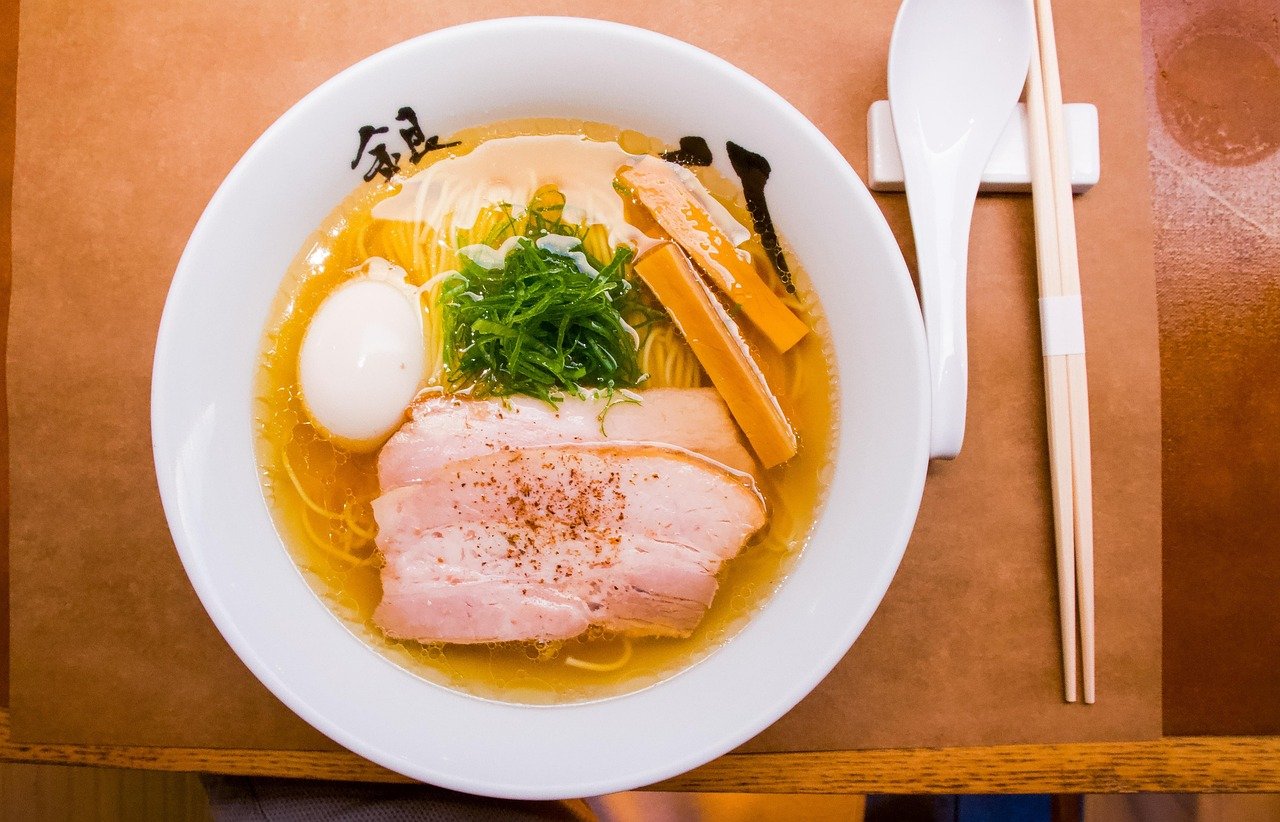
The texture comes from gelatin. As the bones simmer, collagen breaks down into gelatin, and that is what gives the soup its milky look and silky mouthfeel. The colour is a useful signal when you order or cook. A pale, opaque, creamy broth suggests the collagen has done its work. A clear golden broth belongs to a different style.
Choosing a bowl by flavour
- Order it when you want richness. The pork-and-gelatin body suits a hungry diner who wants a substantial bowl.
- Look elsewhere for a delicate soup. If you prefer a light, clean broth, a pork-bone style will feel heavy.
- Expect the broth to coat the noodles. Gelatin gives the soup weight, so it clings rather than running off.
A note on calories
A bowl of tonkotsu is built from several parts: the broth with its lard, the noodles, the chashu and the extras. A calorie figure for one bowl does not carry over to another, because shops and recipes differ in how much of each part they use. If the number matters to you, work from the exact bowl or recipe rather than a generic average.
Time and effort in the kitchen
Tonkotsu is slow food. Sudachi’s guide describes the traditional method as simmering pork bones for 8 hours or more, and calls authentic tonkotsu notoriously labour-intensive. Another home cook’s account reports 12+ hours of cook time, so plan for a long stretch if you go the classic route.
That effort explains why many people eat tonkotsu out rather than make it. It also explains why shortcut recipes exist.
Choosing your method
- Full traditional simmer. Suits a weekend cook who enjoys the process and has a large pot and the patience to tend it.
- Pressure-cooker route. Brian Lagerstrom’s recipe cooks at high pressure for 80 minutes, then boils the broth for 30 minutes until it turns opaque, reducing it by 25-30%. It suits a weeknight-to-weekend project and gives a creamy result with far less watching.
- Eating out. The better choice when you want the full-length result without committing a day to it.
Toppings and noodles
Chashu is the signature pork topping. In Brian Lagerstrom’s recipe the pork is seared and then simmered for another 90-100 minutes, so it is a separate task from the broth. Plan to make it alongside the soup, or cook it ahead.
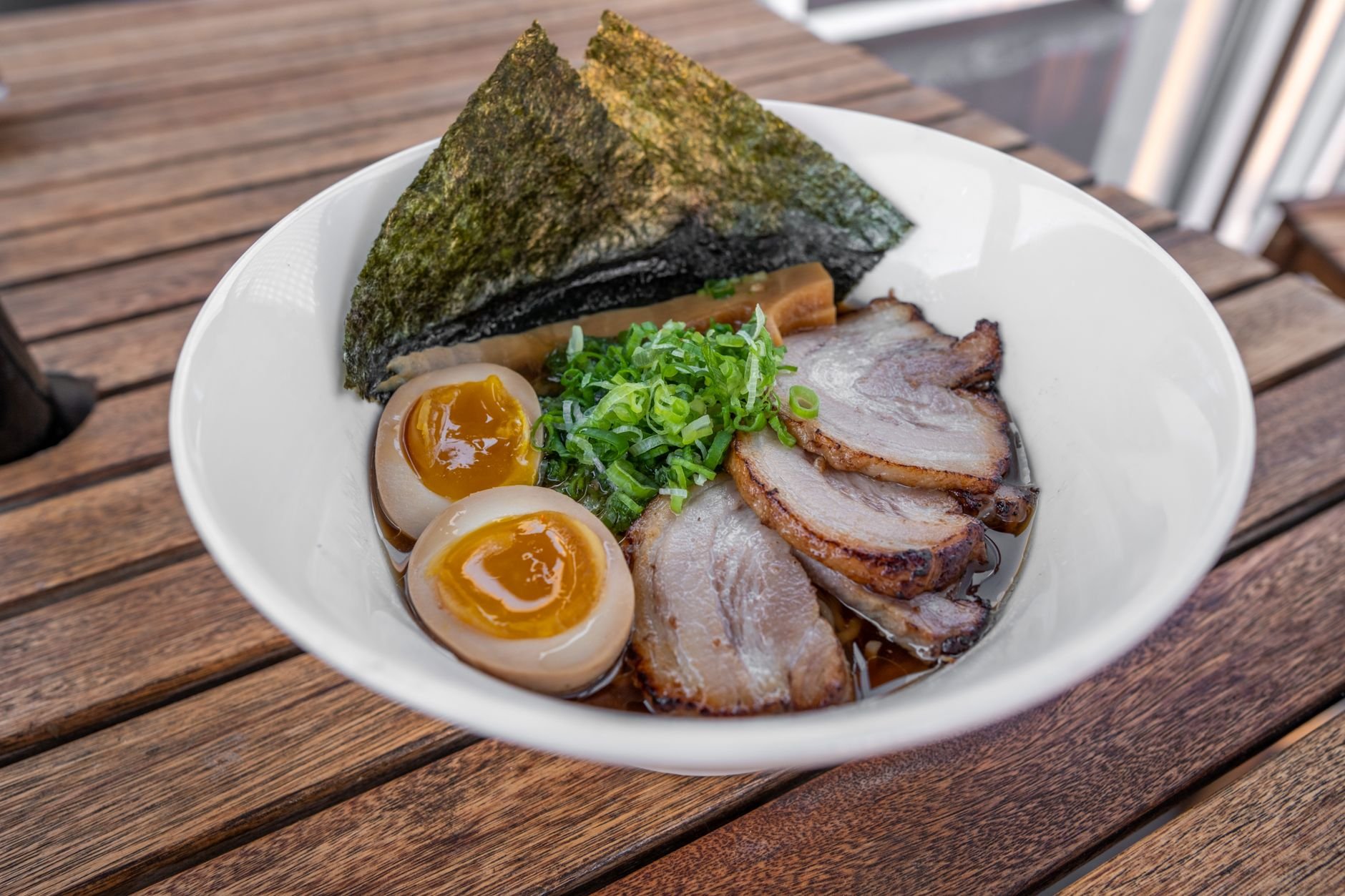
Hakata-style soup is the style that inspires the Sudachi recipe, and its guide recommends thin fresh noodles. Thin noodles cook quickly and sit well in a thick broth. For a closer look at noodle choices, see the types of ramen noodles.
Building a balanced bowl
- Let the pork lead. Chashu fits a broth already centred on pork, so it needs little else to support it.
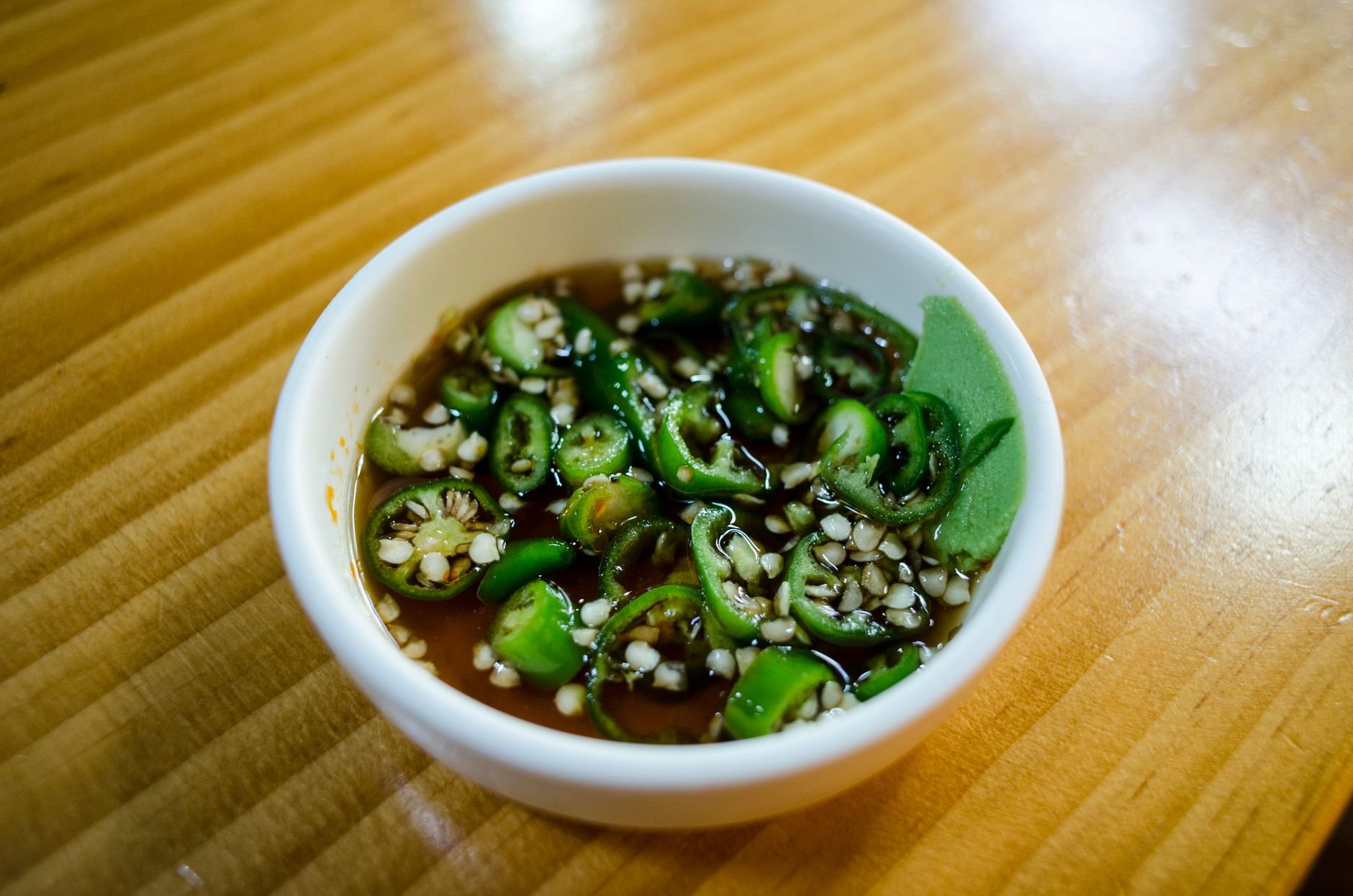
- Add contrast. Fresh green onion or something pickled can cut through a heavy broth. Choose them by taste, since no single set is required.
- Keep the noodles thin. They suit the thick soup better than heavy, chewy noodles would.
Where tonkotsu comes from
Tonkotsu is strongly tied to Fukuoka. Sudachi’s guide says Fukuoka is often the first place that comes to mind, and the Hakata-style soup it draws on is the version most people picture. If you are choosing a regional style to try, Hakata is the natural starting point for a pork-bone bowl.
How the broth works
The process is simple in principle. Pork bones go into water and simmer for hours. Heat and time pull collagen out of the bones, and the collagen turns into gelatin. Lard supplies the pork flavour, and the gelatin gives the broth its body.
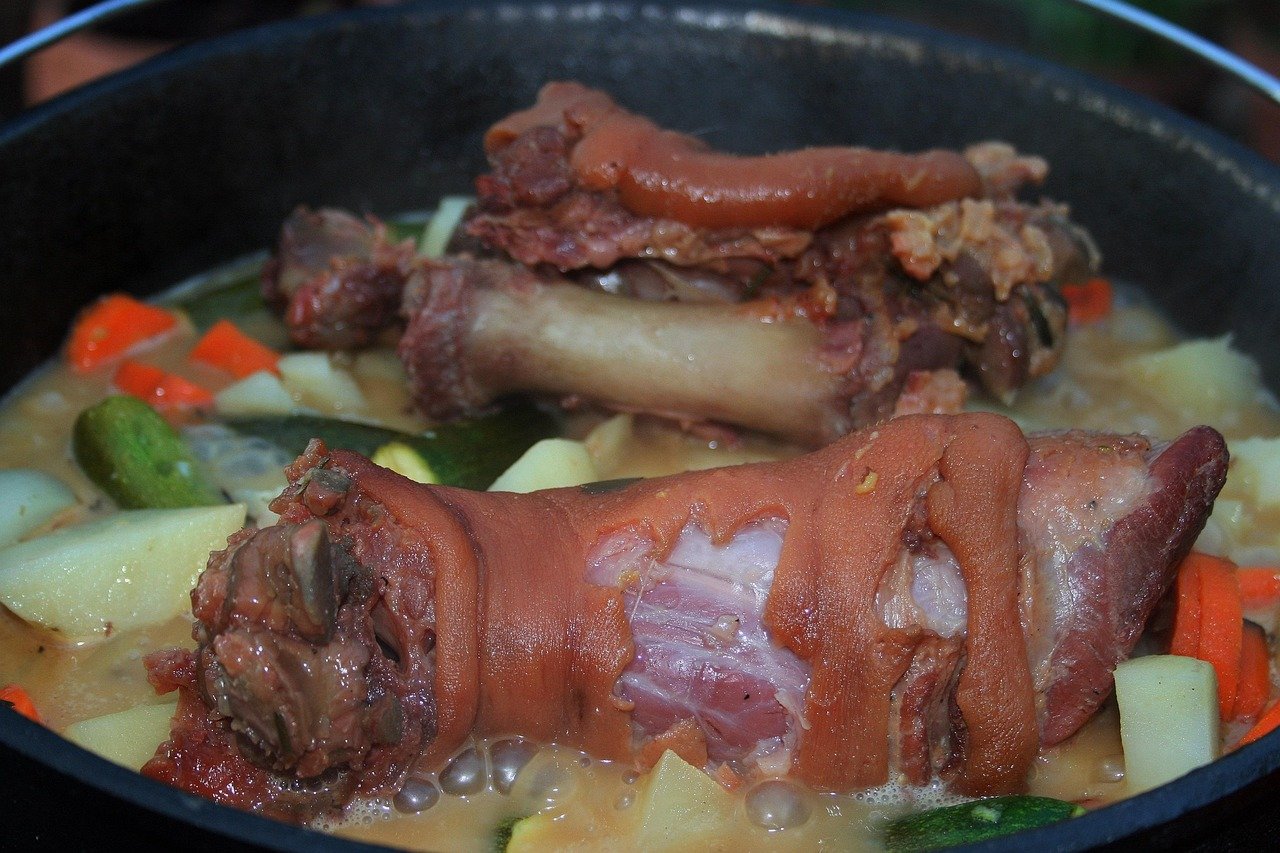
That mechanism explains the practical advice above. A short, gentle simmer leaves the broth thin, which is why home recipes either run very long or use pressure to speed things up. Boiling the broth until it turns opaque, as in the pressure-cooker recipe, is the visible sign that the milky quality has arrived.
Frequently asked questions
Can I make tonkotsu faster at home?
Yes. A pressure-cooker recipe cooks the bones at high pressure for 80 minutes, then boils the broth for 30 minutes until it turns opaque.
Which noodles go best with tonkotsu?
Thin fresh noodles, which Sudachi’s guide recommends for ramen. They pair well with a thick, gelatin-rich broth.
Does the lard matter?
Yes. Lard is the key to the pork flavour in tonkotsu soup, so a broth made from bones alone may taste less porky.
How many calories are in a bowl?
It depends on the bowl. Broth, lard, noodles, chashu and extras all contribute, so check the specific recipe or shop rather than relying on one figure.