| Noodle choice | Broth it suits | Planning use |
|---|---|---|
| Thin, curly | Thicker broths such as tonkotsu or tsukemen dipping broth | Pick these when you want the curls to hold rich broth on every lift. |
| Thin, straight | Heavier broths, following the thick-broth, thin-noodle rule | Expect strands that stick together and scoop up soup as a bundle. |
| Thick, chewy | Thinner broths, miso broth and tsukemen dipping broth | Pick these for more bite, and for miso, where they best capture its nuttiness. |
Pairings follow Ejji Ramen’s guide to ramen forms. The tsukemen noodle description comes from Kizuki’s overview of ramen types.
The main types of ramen noodles differ by thickness and shape, and the right pick follows the broth: thin curly noodles for thick broths like tonkotsu, thicker noodles for thinner broths and miso.
A bowl is only half noodle. Ramen is typically defined by its stock and its tare, the concentrated seasoning sauce, according to Uwajimaya’s guide to ramen types, so the same noodle behaves differently in different soups. The wider ramen shop section covers styles and ordering. This guide stays on the noodle and how it is matched to the broth.
Matching noodles to broth
The most useful rule comes from Ejji Ramen: the thinner the broth, the thicker the noodle. Read it the other way round and heavy broths suit thin noodles. Shape then decides how the soup travels with the noodle. Treat these as pairing tendencies rather than fixed laws, and let the stock tell you where to start.
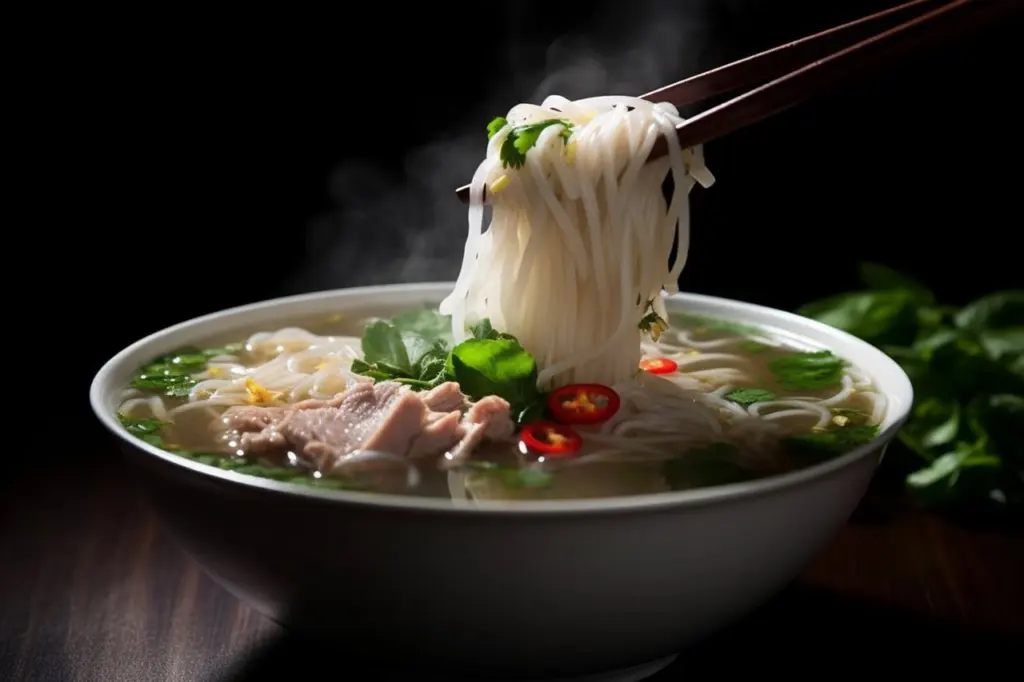
Rich pork-bone broths
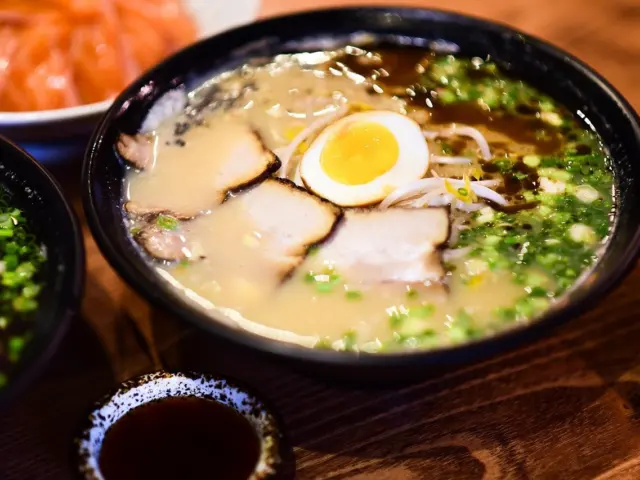
Kizuki describes tonkotsu as a thick, white, turbid soup made from pork bones that have been boiled down. Uwajimaya adds that the long boiling makes it rich and creamy, and that it is particularly popular in North America. Ejji Ramen lists thin, curly noodles as a fit for thicker broths such as tonkotsu or tsukemen. A review of an instant tonkotsu product on The Ramen Rater reaches the same conclusion, saying a thin noodle pairs with a rich tonkotsu broth. If you want the broth side of this pairing, read what is tonkotsu ramen.
- Choose thin noodles for heavy broth. The soup already supplies the body, so the noodle’s job is to carry it rather than compete with it.
- Do not assume shoyu means light. Uwajimaya says shoyu, the soy-sauce tare, complements substantial stocks like creamy tonkotsu while enhancing the stock’s natural flavors. A shoyu label alone therefore does not tell you the stock is thin, so check the stock before judging the noodle.
For the broth itself, what is tonkotsu ramen gives the full picture of that pork-bone base.
Lighter broths and miso
Shio is a simple salt tare that Uwajimaya calls ideal for allowing the stock to shine, which makes it light and pure. Applying the thinner-broth rule, a shio bowl is where a thicker noodle makes sense. Miso is the most intense of the three tares, and Ejji Ramen says thicker noodles are paired with it because they best capture the nuttiness of the fermented soybean.
- Shio bowls: favour a noodle that lets the soup stay in front, since the tare exists to show off the stock.
- Miso bowls: expect a thicker, chewier noodle and read it as intentional, not as a mismatch.
- Unfamiliar menu: ask which stock sits under the tare, because stock weight predicts the noodle better than the tare name does.
Straight versus curly
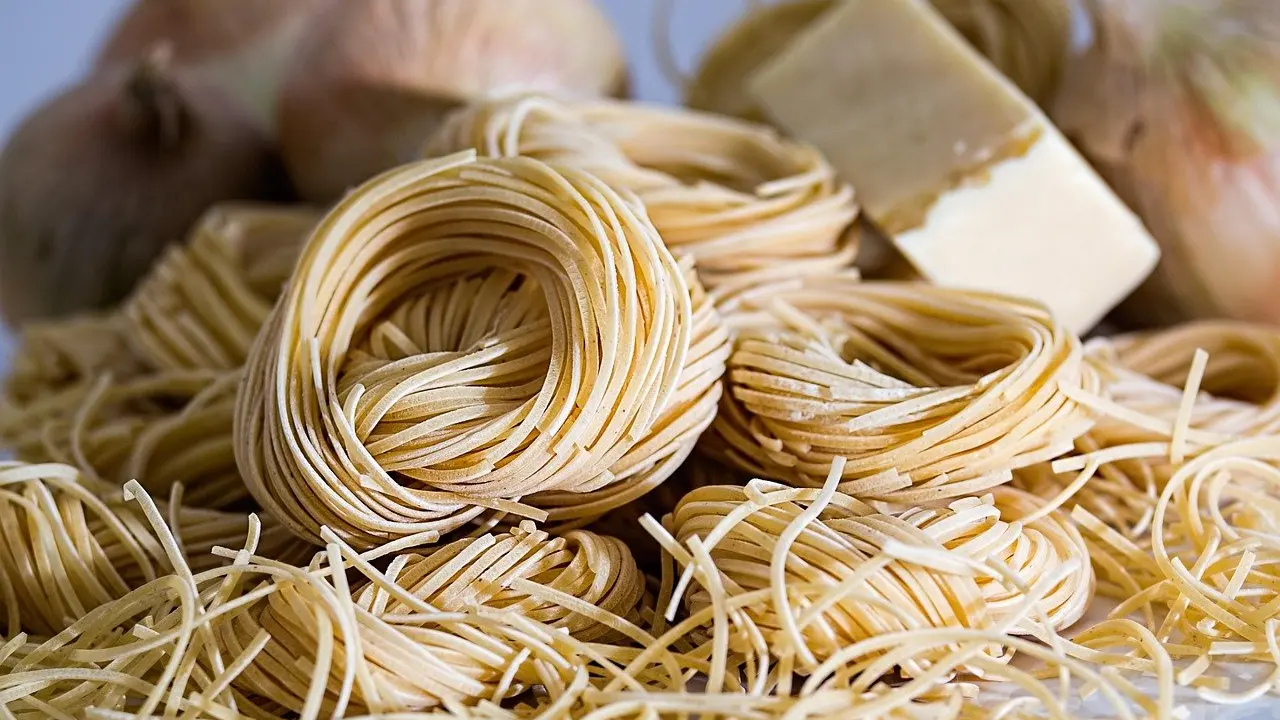
Ejji Ramen notes that thin, straight noodles tend to stick together, and the bundle forms scoop shapes that trap broth. Thin, curly noodles instead hold broth in their curls. Thinner noodles of either shape normally absorb less broth than thicker noodles.
- Curly for thick broths. The curls give a heavy soup something to cling to, which is why they are the standard match for tonkotsu and tsukemen.
- Straight for a lifted bundle. If you like to pull up a tight clump of noodles with soup caught inside, straight strands do that naturally.
- Thick for flavour through the noodle. Thicker noodles absorb more broth, so more of the soup’s character reaches you through the noodle itself.
Tsukemen: noodles served apart
Tsukemen changes the logic because the noodles never share the bowl with the soup. Kizuki describes a bowl of chewy, thick noodles served with another bowl of rich dipping broth. Uwajimaya describes the broth as concentrated. Ejji Ramen, however, names thin, curly noodles as a good fit for tsukemen too, so shops do not all use the same noodle.
The practical consequence is that you control how much broth each mouthful gets. Thick noodles suit this because they stand up to a concentrated dip. If a shop serves thin curly noodles instead, the curls still hold the heavy broth. Either way, the common thread is a broth strong enough to be dipped into rather than sipped.
Kaedama and doneness
Kaedama is an extra portion of noodles ordered to add to the broth left in your bowl. It suits bowls whose broth is substantial enough to carry a second round of noodles, which points back to the rich styles above. Order it while there is still broth in the bowl, since the point of a refill is the soup it joins.
Doneness is set at the pot, when the cook lifts and drains the noodles from the water. Once in the bowl, noodles keep taking up broth, and thicker noodles take up more than thin ones. If you like bite, eat the noodles first and save the broth for later. The order of eating is covered in how to eat ramen.
What makes ramen noodles different from other wheat noodles
Ramen is made from wheat flour, which on its own does not set it apart, because many noodles share that base. Bokksu explains that the word ramen comes from the Chinese term for pulled noodles, where dough is repeatedly stretched, twisted and folded into loops. That heritage explains why ramen is treated as a noodle with a craft behind it, not just a filler for soup.
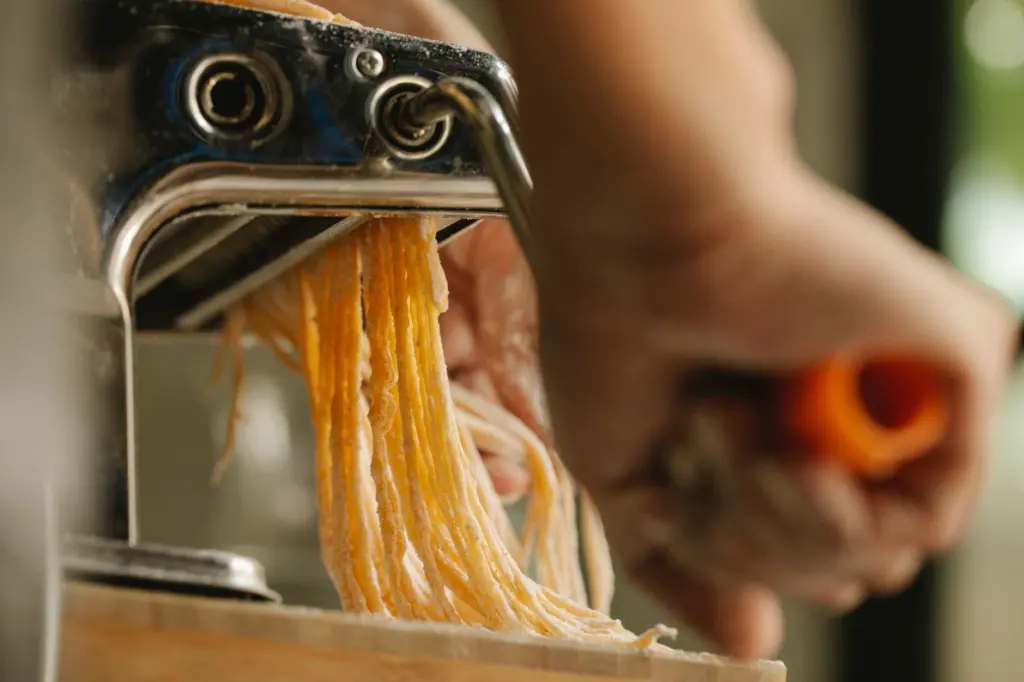
What most clearly defines a ramen bowl is the pairing described throughout this guide. Because ramen is typically defined by the stock and the tare, the noodle is judged against the soup it sits in. A noodle that works with a thick pork-bone broth would be a poor fit for a light, pure shio soup, and the reverse is equally true.
Frequently asked questions
What are the three main ramen tare types?
Shio (salt), shoyu (soy sauce) and miso are the three main types. Miso is the most intense of the three.
Is Hakata ramen a type of noodle?
Not by itself. Hakata ramen is a regional style from Kyushu’s Fukuoka, and it is the best-known ramen from that area. Check the noodle and broth on the menu rather than assuming a thickness from the name.
Are tsukemen noodles served hot?
Typically not. Uwajimaya says tsukemen noodles are usually served cold or at room temperature, with the concentrated broth for dipping served separately.