| Kind of ramen | Listed price | Planning use |
|---|---|---|
| Maruchan Chicken Flavor, single 3 oz pack | $0.99, or 2 for $1.00 | The floor price for a bowl made at home. |
| Maruchan Chicken Flavor, 3 oz x 6 pack | $3.49, or 2 for $5.00 | Shows the saving from buying a multipack. |
| Nongshim Shin Ramyum Gourmet Spicy, 4.23 oz | $1.99 per pack | A step-up packaged bowl, still far from restaurant pricing. |
| Instant ramen at prison commissaries | About $0.60 per package | A low reference point only; the year is not stated. |
| Bowl at a ramen shop | Printed on that shop’s current menu | Read the menu before you sit down, because each shop sets its own price. |
Packaged figures are Walgreens listings, which carry no date and can differ between online and in store. The commissary figure comes from Shepherd Express.
How much does ramen cost? Decide which kind you mean first, then budget for toppings and extra noodles.
This guide follows a meal in order: the baseline, the bowl, the add-ons, the specials and the reasons behind the price. For the wider picture of a visit, start at our ramen shop guide.
Before you go: set your baseline
Most confusion about ramen prices comes from mixing two different products. A pack of instant noodles is a pantry item. A bowl at a shop is a cooked meal served to you. Quoting one figure for both tells you nothing, so keep them apart when you plan.
What packaged ramen tells you
Walgreens lists a single 3 oz Maruchan chicken pack at $0.99, or 2 for $1.00. The 3 oz x 6 pack is listed at $3.49, or 2 for $5.00. Nongshim’s gourmet spicy Shin Ramyum, a larger 4.23 oz pack, is listed at $1.99. Walgreens also notes that price and inventory may vary from online to in store, so treat these as a snapshot rather than a fixed rate.
The practical lesson is that the noodles themselves are cheap. When a shop charges much more for a bowl, you are paying for something other than a block of noodles.
Why the old cheap-ramen image persists
Instant ramen has been a budget food since Chikin Ramen debuted, which Shepherd Express describes as the start of an era of customizable, high-calorie convenience. That reputation is why a restaurant bowl can feel expensive by comparison. It is a different kind of meal, and comparing it with a $0.99 pack is the wrong test.
At the table: the bowl itself
A ramen shop’s menu is the only reliable source for a bowl price, and it is the figure you should trust over any average. The price printed beside each bowl is the starting point, and the add-ons come on top of it.
Comparing bowls fairly
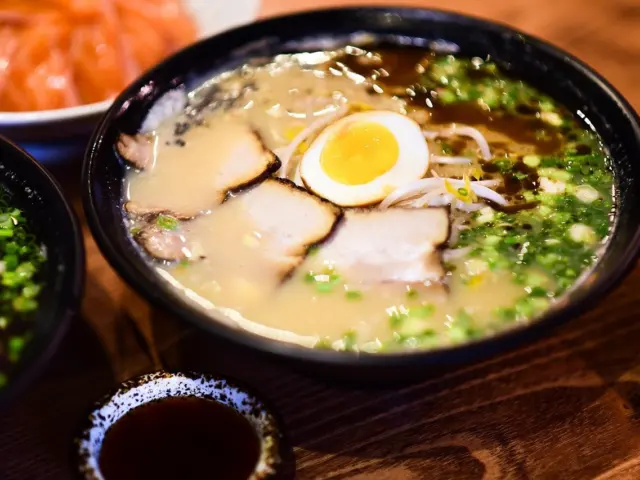
Compare bowls of the same style. Tonkotsu, a pork-bone broth style, is a common headline bowl, and it even appears as a packaged flavour such as Sapporo Spicy Tonkotsu Ramen in a 3.67 oz pack on Instacart’s ramen category. A shop’s tonkotsu bowl and its lighter bowls may be priced differently, so check the line you actually plan to order rather than the cheapest item on the board.
- Check what the base price includes. Some menus list the toppings that come with the bowl; others price each separately.
- Look at the full bowl list. The spread between the cheapest and dearest bowl shows how much of the price depends on extras.
- Note the date on the menu. A printed or online menu can be out of date, so confirm when you order.
Once the bowl lands, the cost question is settled and the eating begins. Our guide on how to eat ramen covers that, and the section on ramen shop etiquette covers the ordering manners that go with it.
Ordering add-ons: toppings and kaedama
Toppings and extra noodles are priced as separate menu lines, so they are where a bowl’s final total moves most. The practical way to control cost is to decide before ordering whether the bowl already has enough on it.
Toppings
Toppings are the easiest place to overspend, because each one looks small on the menu. Read the add-on list once, choose the one or two that change the bowl for you, and skip the rest. If a bowl already comes with a protein, adding another rarely improves it enough to justify its line price.
At home the same idea is cheaper and freer. Shepherd Express lists bacon, tofu, fake crab, leftover BBQ, frozen shrimp or scallops as ways to build up a packaged bowl. Those are home-kitchen ideas without a menu price, but they show how far a $0.99 pack can be stretched before you pay restaurant rates.
Kaedama, the extra noodles
Kaedama is the Japanese term for a noodle refill, ordered when the broth remains but the noodles are gone. It is sold as its own item in retail too: Instacart lists a Sun Noodle Ramen Kaedama in a 10 oz package. Shops list the refill as a separate line, so look for it on the menu and ask the price before you commit. It suits a hungry eater who likes the broth, and it is poor value for someone who is already full.
- Finish most of the noodles but keep the broth hot.
- Ask the staff for the kaedama price if it is not on the menu.
- Order the refill once, then judge whether you want more.
Lunch sets and happy hour in Scottsdale
Specials are the shop’s own decision, so confirm them on the restaurant’s website or menu board instead of relying on a general list. In Scottsdale, whether a ramen shop runs a lunch set or a happy hour depends entirely on that shop.
Combo and lunch sets
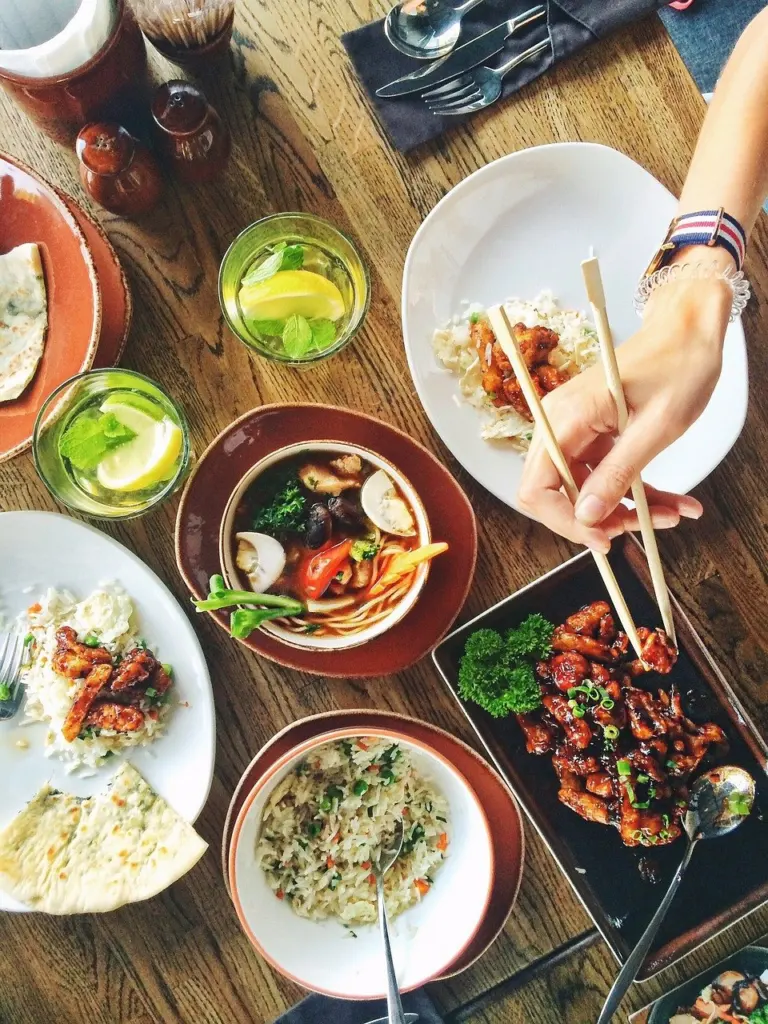
A set pairs a bowl with a side such as gyoza or rice. Compare the set price with the bowl price plus the side bought separately. A set is worth it when you wanted the side anyway, and it is a poor deal when you would have skipped it.
Happy hour
Before heading out for a ramen happy hour in Scottsdale, check three things on the shop’s own listing:
- What is discounted. Some happy hours cover drinks and small plates only, not bowls.
- The hours and days. These are set by each shop and can change.
- Dine-in only or not. Confirm whether the offer applies at the bar, the tables or both.
What drives the price of a bowl
A restaurant bowl price covers more than noodles. It pays for broth, toppings and the kitchen work that turns raw ingredients into a finished bowl served to your table. That is the answer to why ramen is expensive compared with a packaged pack.
- Broth. A style like tonkotsu is built on the broth, so the broth is the centrepiece of the cost rather than a side detail.
- Toppings. Every extra ingredient is bought, prepared and plated, which is why shops price them separately.
- Service. The price of a served bowl includes the staff and the room, which a packaged pack does not.
Use this when a price looks high. Ask what the bowl includes before you judge it, and compare it with bowls of the same style at other shops rather than with a packaged pack.
Troubleshooting a bill that looks high
- The total is above the bowl price. Add-ons are separate lines, so recheck which toppings and refills you ordered.
- The menu and the website disagree. Go by the menu in front of you and ask staff to confirm.
- A packaged price differs from what you saw online. Walgreens states that price and inventory may vary from online to in store.
- You want to spend less. Skip the optional add-ons, share a set, or build an upgraded bowl at home.
Frequently asked questions
What is the average price of a bowl of ramen?
An average depends on whether it covers packaged packs or restaurant bowls. Packaged packs are listed from $0.99, while restaurant bowls follow each shop’s menu, so compare like with like.
Do toppings and kaedama cost extra?
Menus generally list them as separate lines, so ask for the add-on prices before ordering and decide which ones change the bowl for you.
Is there a ramen happy hour in Scottsdale?
That is up to each shop. Check the restaurant’s own website or menu board for the days, hours and which items are discounted.
Why is ramen expensive at a restaurant?
The bowl price covers broth, toppings, kitchen preparation and service, not only the noodles that make a packaged pack cheap.