

Faced with a menu of shio, shoyu, miso and tonkotsu, you are choosing between types of ramen broth defined by seasoning (tare) and body (clear or cloudy). Shio is lightest, tonkotsu thickest, and shoyu and miso fall between.
Most confusion comes from treating the name on the menu as a single fact. It is really two facts, and the ramen shop guide shows where broth fits into the wider bowl.
Broth versus tare
A common mix-up is treating tare and broth as interchangeable. Broth is the stock; tare is the seasoning added to it. BuyMeJapan’s ramen guide describes shio as a light, clear broth seasoned with a simple salt-based tare over a stock typically made from chicken, dashi or vegetables. It describes shoyu as seasoned with a soy sauce tare, and miso as using fermented soybean paste as its primary seasoning base.
That is why shio (salt), shoyu (soy sauce) and miso all name the seasoning, not the stock underneath. Tonkotsu works differently: the word means “pork bone”, so it names the body of the broth instead. Yamachan Ramen notes that shio, shoyu, miso and tonkotsu are often considered Japan’s four main ramen styles, so these are the names you will meet most often on a menu.
| Style | What the name means | Typical base | Body and flavour | Planning use |
|---|---|---|---|---|
| Shio | Salt; seasoned with a salt-based tare | Chicken, dashi or vegetables | Light and clear broth, the most delicate flavour of the four | Choose it for the gentlest bowl or when you want the stock to stay in front. |
| Shoyu | Soy sauce; seasoned with a soy sauce tare | Chicken or vegetable stock, sometimes blended with pork or seafood | Deeper and more aromatic | Choose it when shio feels too quiet but you do not want a heavy bowl. |
| Miso | Fermented soybean paste as the main seasoning | Pork, chicken or vegetable stock | Richer and heavier, with a nutty, hearty taste | Choose it for a filling bowl with a savoury, rounded flavour. |
| Tonkotsu | “Pork bone”, named for its base rather than a seasoning | Pork bones, fat and collagen | Thickest and creamiest; cloudy and collagen-rich | Choose it for the most substantial, creamy bowl. |
Body and flavour descriptions follow Yamachan Ramen’s four-pillars guide, while name meanings and typical bases follow BuyMeJapan.
Shio and shoyu: light is not the same as plain
Shio ramen is easy to dismiss as the plain option, but its restraint is the point. Favorflav describes a light and clear broth made from chicken, vegetables, fish and seaweed, and Yamachan Ramen ranks it as the most delicate of the four styles. It suits anyone who wants to taste the stock itself, and it is the sensible first order if you are unsure how heavy a bowl will feel.
Shoyu steps up from there. Favorflav calls shoyu ramen a little more robust than shio, and Yamachan Ramen calls it deeper and more aromatic. The difference is one of degree. If shio leaves you wanting more depth but tonkotsu sounds like too much, shoyu is the natural middle choice.
Clear versus cloudy broth
The second axis at the table is body. The brief’s own vocabulary is chintan for a clear broth and paitan for a cloudy one, and the two are independent of tare. Shio sits on the clear side: BuyMeJapan contrasts the clear, refined elegance of shio with the cloudy, collagen-rich broth of tonkotsu, which is the best-known cloudy example among the main styles.
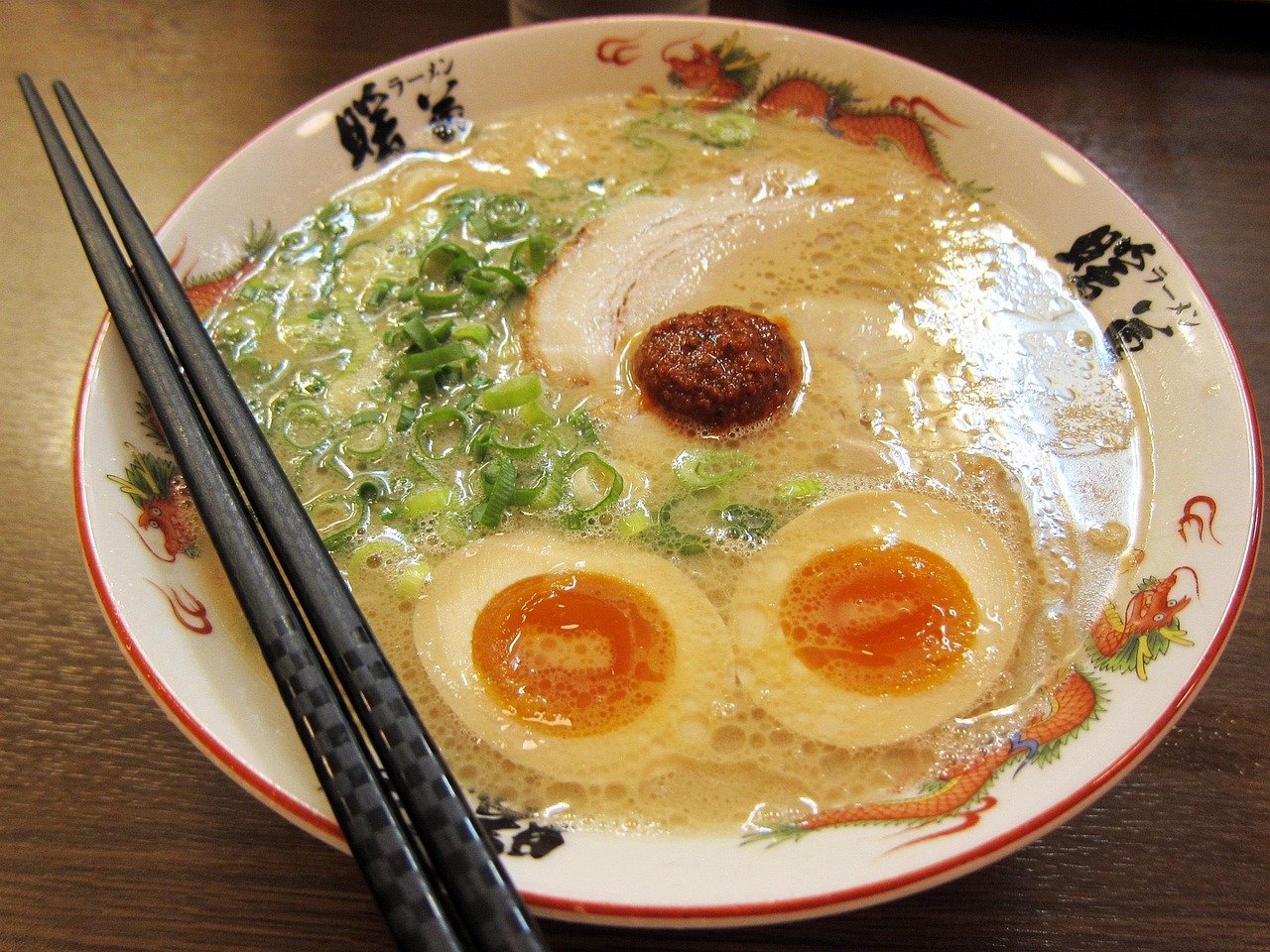
Tonkotsu earns its cloudiness through the bones. Favorflav says the broth is made from a large amount of pork bones, which makes it very thick and gelatinous, and BuyMeJapan describes simmering pork bones, fat and collagen for an extended period. In practice, a cloudy bowl is the one that coats the mouth, while a clear bowl is the one for delicacy.
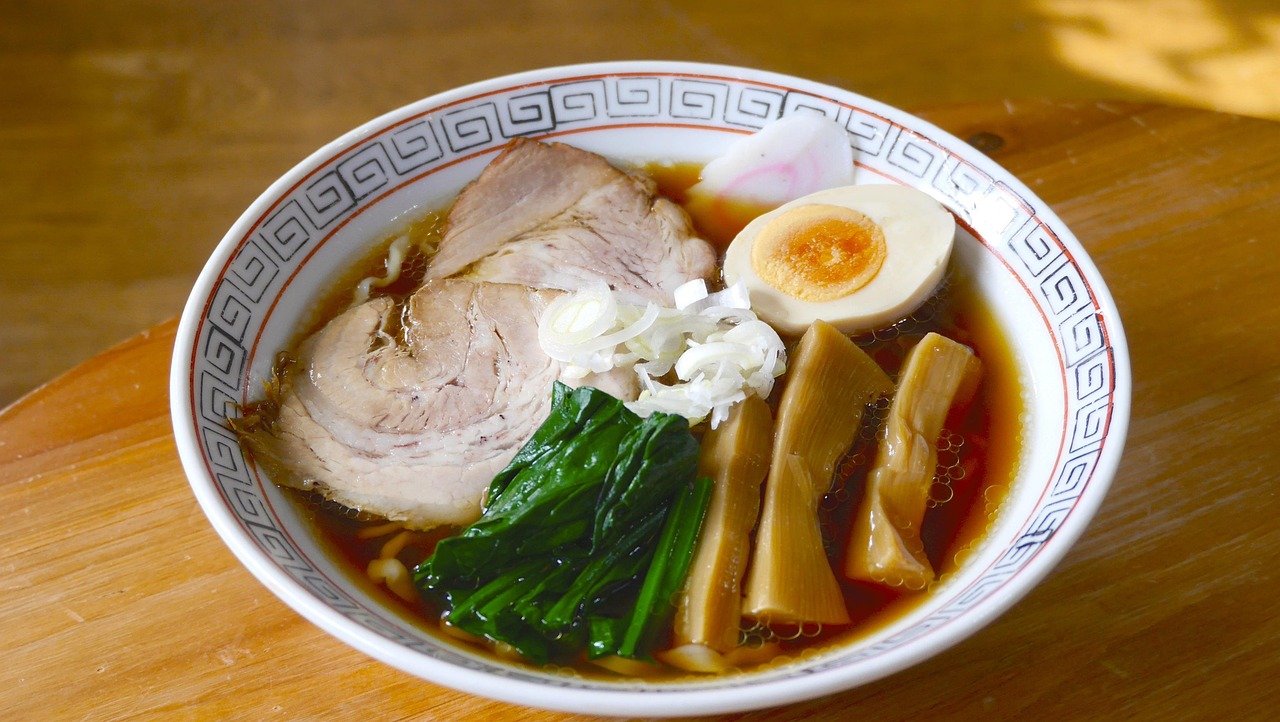
A frequent misreading is that cloudy means more heavily seasoned. Cloudiness describes body, and tare describes seasoning, so the two should be read separately on a menu. For the full account of the pork-bone style, see what is tonkotsu ramen.
Miso ramen versus tonkotsu
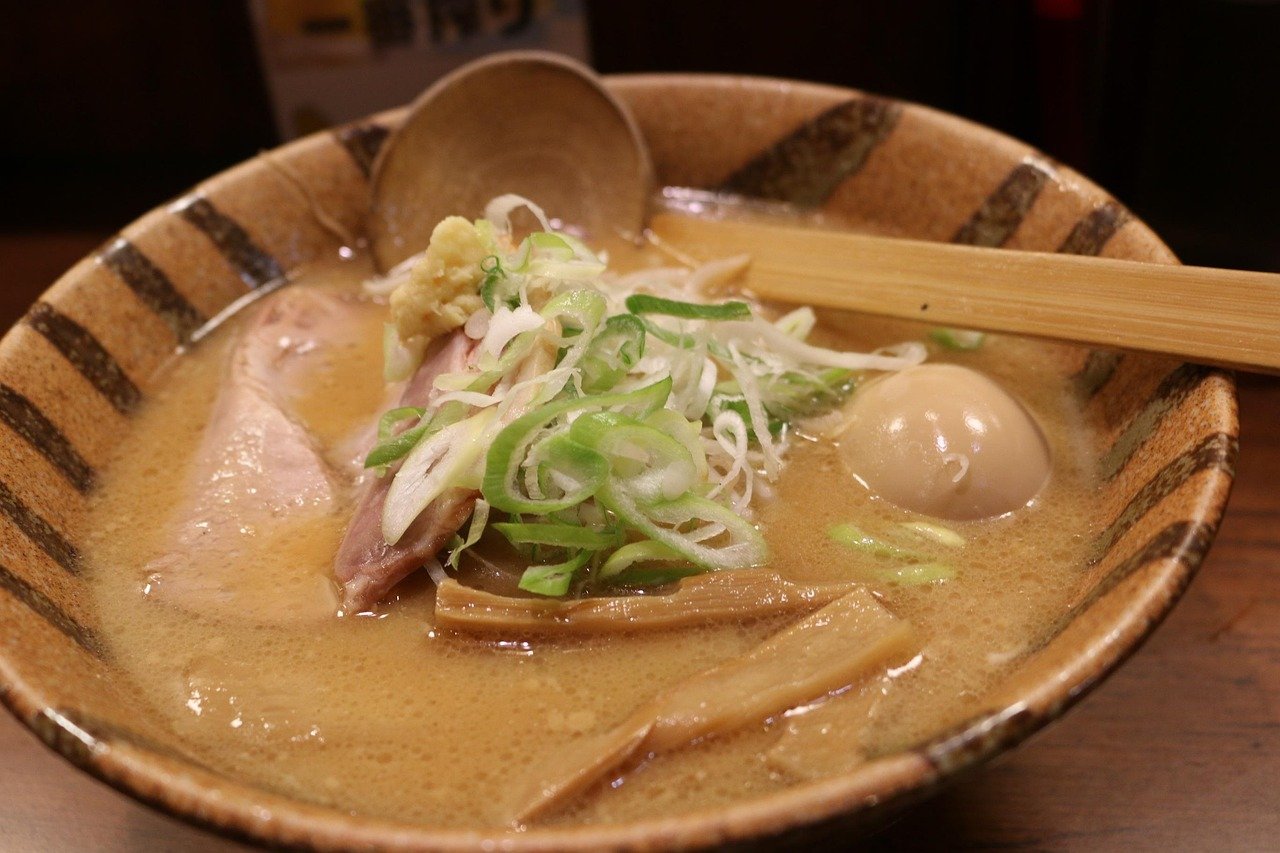
Miso and tonkotsu are often set against each other because both are hearty, yet the names answer different questions. Miso is a seasoning, while tonkotsu is a pork-bone body. Yamachan Ramen describes miso as richer and heavier with a nutty, hearty taste, and tonkotsu as the thickest and creamiest style. BuyMeJapan notes that miso broth can be made with pork, chicken or vegetable stock, so a miso bowl is not automatically a tonkotsu-style bowl.
- Home of miso ramen: BuyMeJapan places its origin in Sapporo, Hokkaido, Japan’s northernmost island, and attributes its creation to Morito Omiya of the Sapporo restaurant Aji no Sanpei in the 1950s. Favorflav calls it the youngest type of ramen and says it only became popular in the 1960s.
- Home of tonkotsu: BuyMeJapan traces it to the Hakata district of Fukuoka, on Kyushu, which is a different region from Sapporo.
- Toppings: miso ramen is famously paired with sweet corn and a pat of butter, a combination that helps identify it on a menu.
- Seasoning versus body: pick miso when you want the savoury, nutty seasoning to lead. Pick tonkotsu when you want the creamy, collagen-rich body to lead.
Choosing a bowl from the menu
Read the menu in the same order the bowl is built. Start with the tare word (shio, shoyu or miso) to learn the seasoning, then look for a body cue such as clear, cloudy, pork bone or creamy. A name alone will not always settle both, and Escoffier points out that although there are four traditional types of ramen, their elements and flavours can be mixed and matched in endless ways.
- Lightest: shio, with its light, clear broth and delicate flavour, is the gentlest choice.
- Middle ground: shoyu is a little more robust than shio, and miso is richer and heavier still.
- Most substantial: tonkotsu is the thickest and creamiest of the four styles.
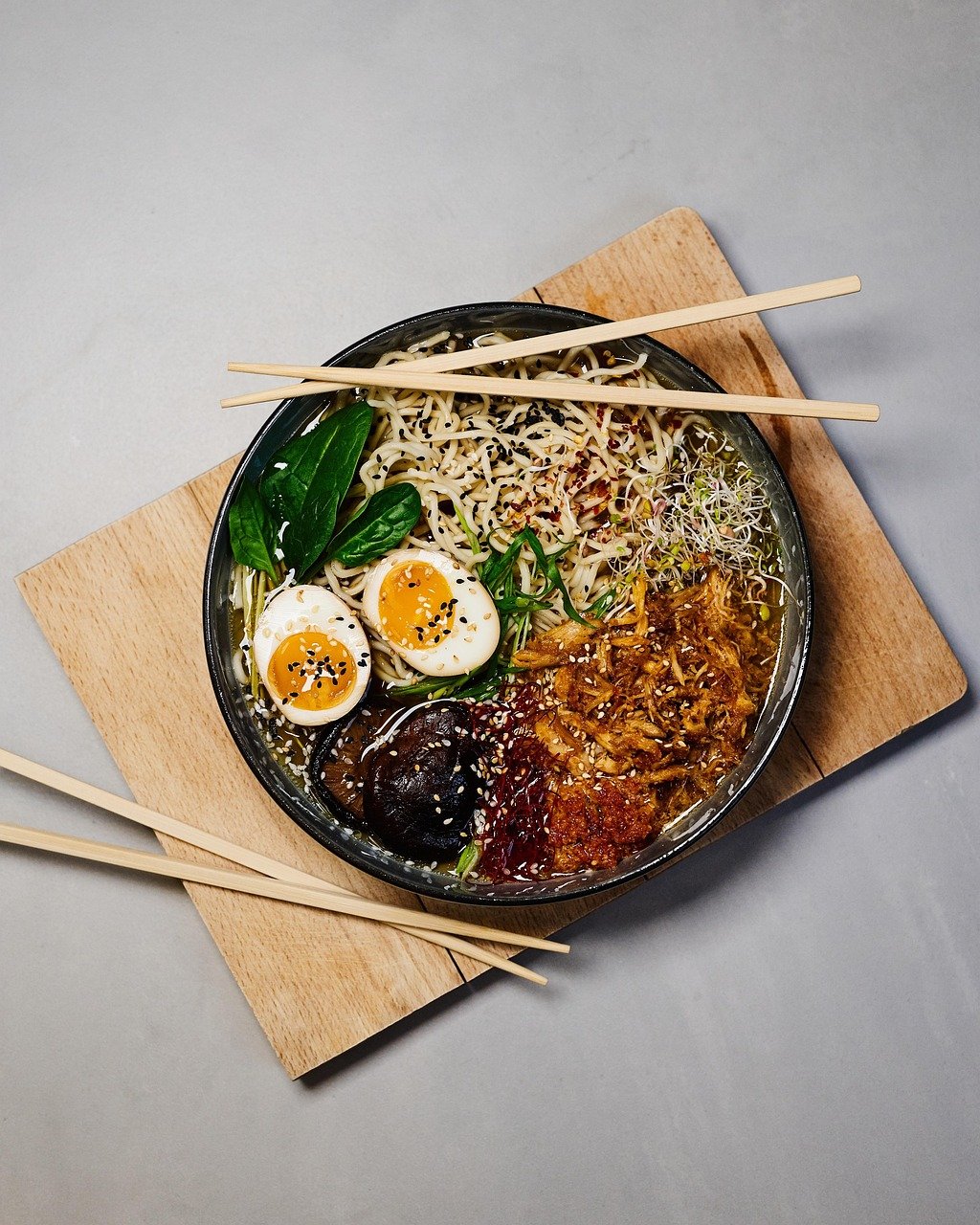
Toppings do not identify the broth. A bowl with spinach, egg and mushrooms could sit on any of the styles above, so rely on the tare and body words instead. Once you know which broth you want, how to order at a ramen shop covers the practical side of getting it to the table.
Frequently asked questions
| Question | Answer |
|---|---|
| Are the main ramen broth styles strict categories? | No. Shio, shoyu, miso and tonkotsu are the traditional styles, but Escoffier notes their elements can be mixed and matched in many ways, so check the menu description as well as the name. |
| Do all miso ramen shops use the same miso? | No. According to BuyMeJapan, shops may use white miso (shiro), red miso (aka) or a custom blend (awase). |
| How long is tonkotsu broth simmered? | BuyMeJapan describes simmering pork bones, fat and collagen for an extended period, often upwards of 12 hours. |


