Quick answer: Among japanese kitchen knives types, a general-purpose gyuto is the safest first buy for a ramen-making home cook. Add a nakiri once vegetable prep dominates your cutting, and leave the fish knives until you need them.
This guide narrows the field to the knives that matter for home ramen and everyday cooking. For the wider kitchen foundations, start with our japanese cooking basics hub, then come back here to choose a blade.
Choosing a first Japanese knife
Three practical questions decide most first purchases: what you cut most, how long a blade you can handle, and how much sharpening and drying care you will accept.
- Task mix. A gyuto is a multipurpose Japanese kitchen knife that suits home use, according to Sharp Edge Shop. If your cooking spans vegetables, aromatics and proteins, one all-rounder serves you better than several specialists.
- Blade length. Gyuto blades vary from 21 to 27 cm. Knives and Tools notes that a 21 cm blade is more flexible, while a 24 cm blade is more for general use.
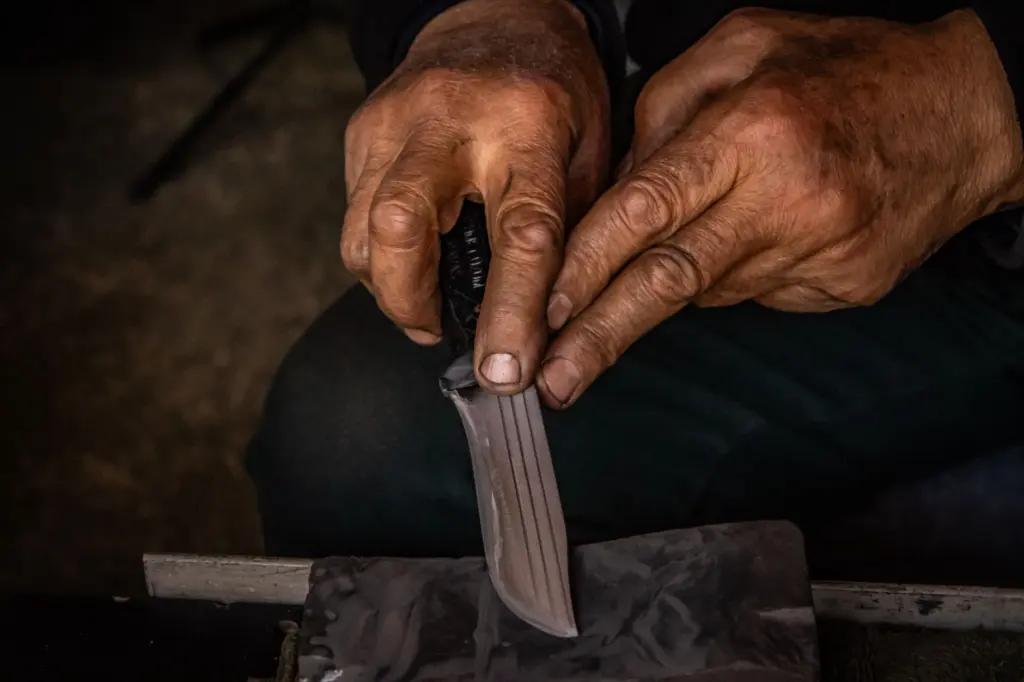
- Maintenance tolerance. Single-bevel knives are sharpened on one side only and take a little experience, per Chubo Knives. Carbon steel is easy to sharpen but must be kept dry to avoid corrosion.
My recommendation for a first knife is a gyuto at about 24 cm. It covers the widest range of jobs in a ramen kitchen, and it keeps the buying decision simple. Drop to 21 cm if a longer blade feels unwieldy on your board. Knives shape prep speed and texture, while the flavour side of ramen is a separate subject, covered in what is umami.
Japanese knives at a glance
The main Japanese kitchen knives differ by job, blade shape and bevel. The table shows where each fits a home cook who makes ramen.
| Knife | Main job | Blade and bevel notes | Planning use |
|---|---|---|---|
| Gyuto | General-purpose chef’s knife | Blade of 21 to 27 cm; 24 cm suits general use | The default first knife for most home cooks |
| Santoku | General kitchen work, alongside or instead of a gyuto | High blade; the spine tapers only towards the tip | A good alternative if you prefer its deep blade shape |
| Nakiri | Vegetable prep | Rectangular blade; ultra-thin, razor-sharp edge | A second knife for heavy vegetable work |
| Deba | Filleting fish (bones and vertebrae) and shellfish | Specialist fish knife | Only if you break down whole fish |
| Yanagiba | Cutting sashimi | One-sided grind (single bevel) | Only if you slice raw fish regularly |
Descriptions follow Knives and Tools’ guide to Japanese knife types and Chubo Knives’ overview of kitchen knife types.
Gyuto and santoku: the all-rounders
Gyuto
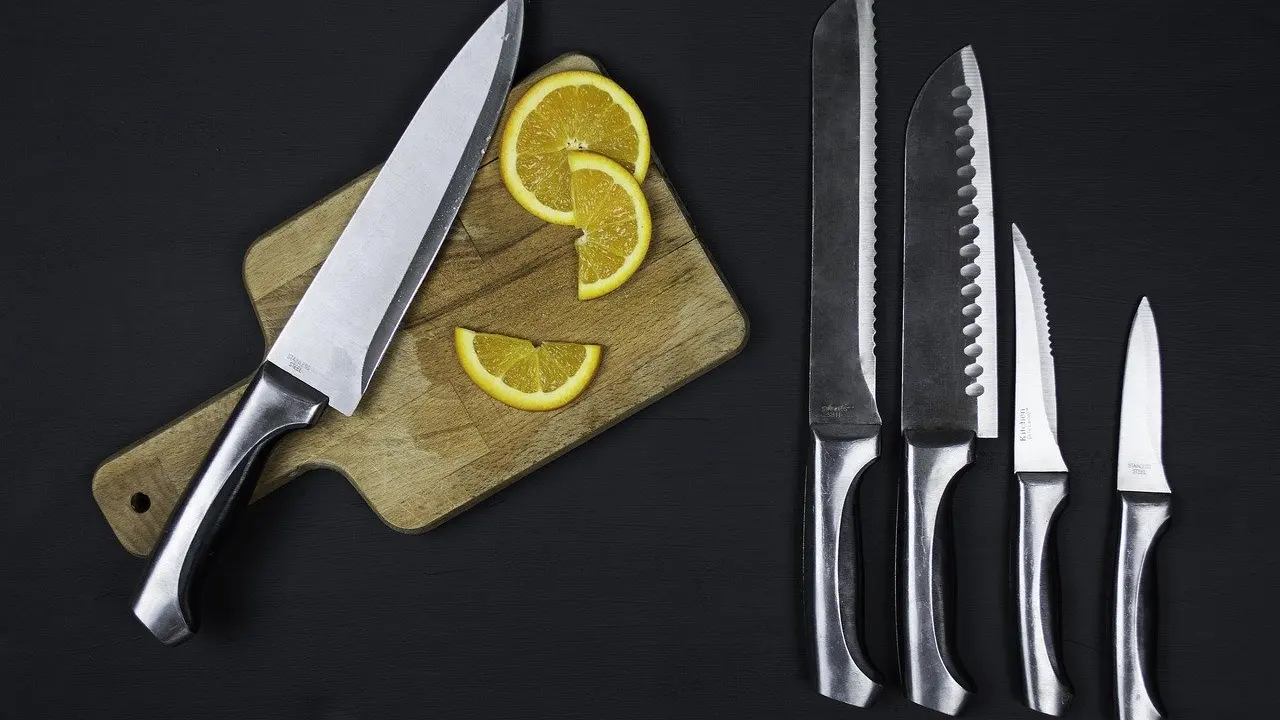
The gyuto is the Japanese counterpart of the Western chef’s knife, and Sharp Edge Shop describes it as multipurpose and suitable for use at home. That breadth is why it tops the recommendation. One blade that handles most prep keeps your drawer simple and lets you learn a single knife’s balance and edge well.
Santoku
You can recognise a santoku by its high blade, where the spine only tapers towards the tip, according to Knives and Tools. Chubo Knives lists a larger gyuto or santoku as the pair to a small utility knife for most kitchen tasks. In practice the choice comes down to handling. Pick the santoku if its deep, tall blade feels natural in your hand, and the gyuto if you want the classic chef’s knife profile.
Nakiri knife uses and what it adds
A nakiri is a traditional Japanese vegetable knife. Its rectangular blade lets you use the entire cutting edge, and the edge is ultra-thin and razor-sharp, as Knives and Tools explains. Oishya adds that the straight blade and squared-off tip make it well suited to precision vegetable prep.
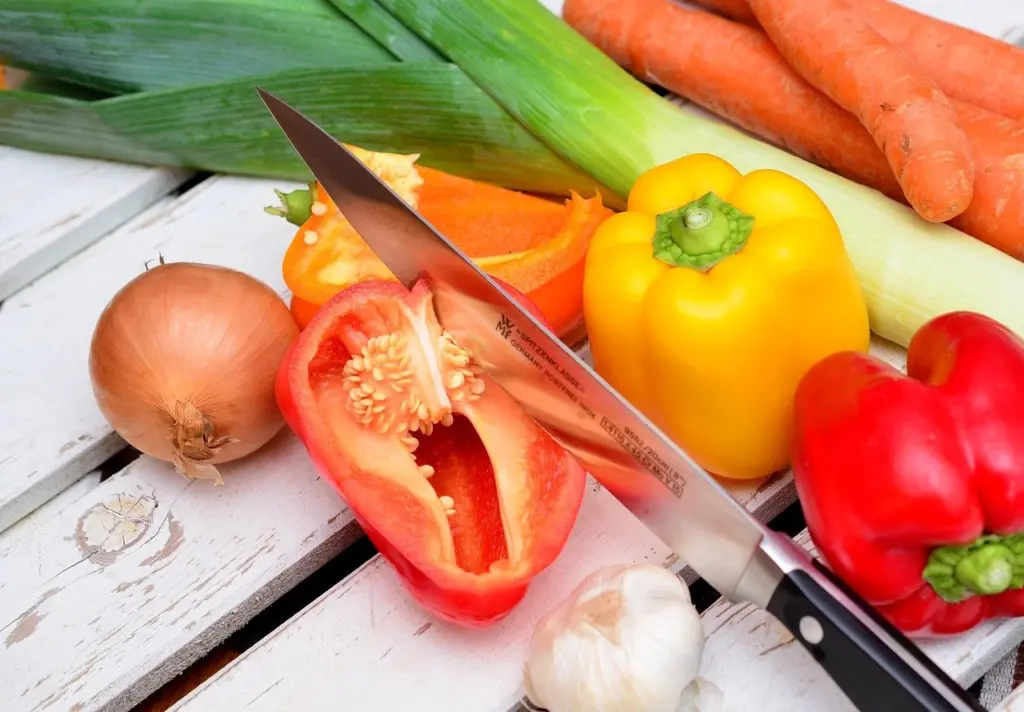
The practical value is the flat, full-length edge. It meets the board along its whole length, so you can chop straight down through vegetables with the full edge. If you make ramen aroma oil, chopping its aromatics is the kind of job a nakiri handles cleanly.
A nakiri complements a gyuto rather than replacing it, because it is a vegetable specialist. Buy it second, when you notice that most of your cutting is produce and you want that task to feel effortless.
Deba and yanagiba: specialist single-bevel knives
The deba is designed to fillet fish, bones and vertebrae included, and shellfish. The yanagiba is a sashimi knife whose edge is always enhanced with a one-sided grind, per Knives and Tools. That one-sided grind is what makes it a single-bevel blade, sharpened on only one side.
Both are excellent at what they do, but neither belongs in a first ramen-kitchen kit. A home cook who works mostly with vegetables, noodles and sliced meat will reach for them rarely. Consider them only if you regularly break down whole fish or slice raw fish, and expect the sharpening to demand more practice.
How Japanese knives differ from Western ones
The clearest difference is the bevel. Oishya contrasts the Western knife, sharpened on both sides of the blade, with the Japanese approach of sharpening one side. Chubo Knives says Western double-bevel edges are usually ground at 50/50 or 70/30 angles. Oishya puts factory edges for Western knives between 18 to 28 degrees.
Single-bevel is the traditional Japanese form, and the yanagiba is its clearest example. Because makers vary, check a product listing for its bevel before buying, especially if you are new to sharpening. Shape also differs by knife. A nakiri is rectangular with a squared tip, and a santoku has a high blade, whereas a gyuto follows the familiar chef’s knife outline.
Steel, price and sharpening
Steel
Professional cooks like carbon steel because it is easy to sharpen, according to Chubo Knives, though it must be kept dry to avoid corrosion. If you tend to leave knives in the sink or on a damp board, that trade-off matters more than a small gain in sharpness.
Price
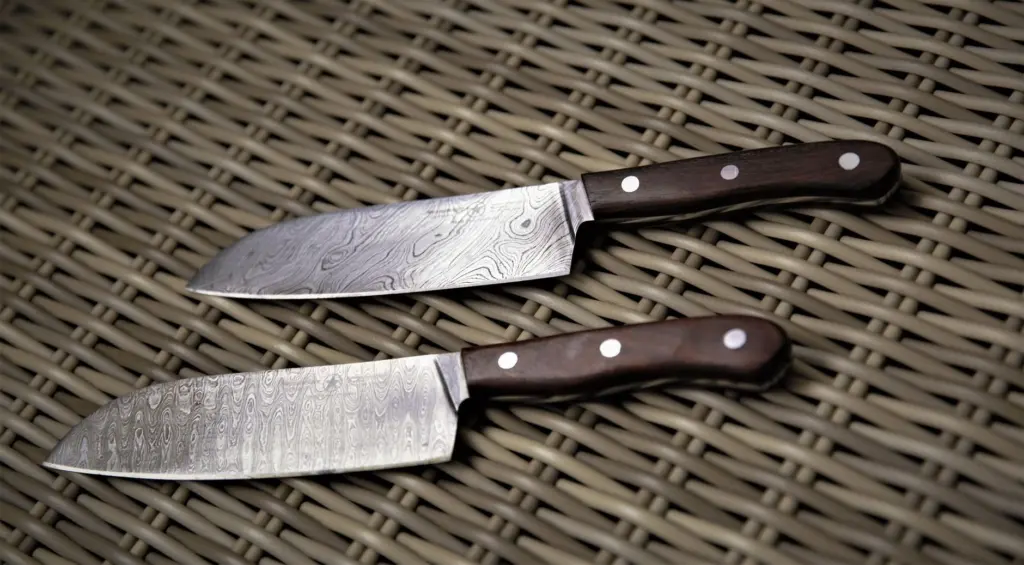
Musashi Hamono lists a 210 mm VG-10 Damascus gyuto with a blue birch handle at ¥35,800, and a 170 mm nakiri in the same finish at ¥33,800. Treat any single listing as a reference point, and buy a nakiri for the task it does, not as a budget extra.
Sharpening
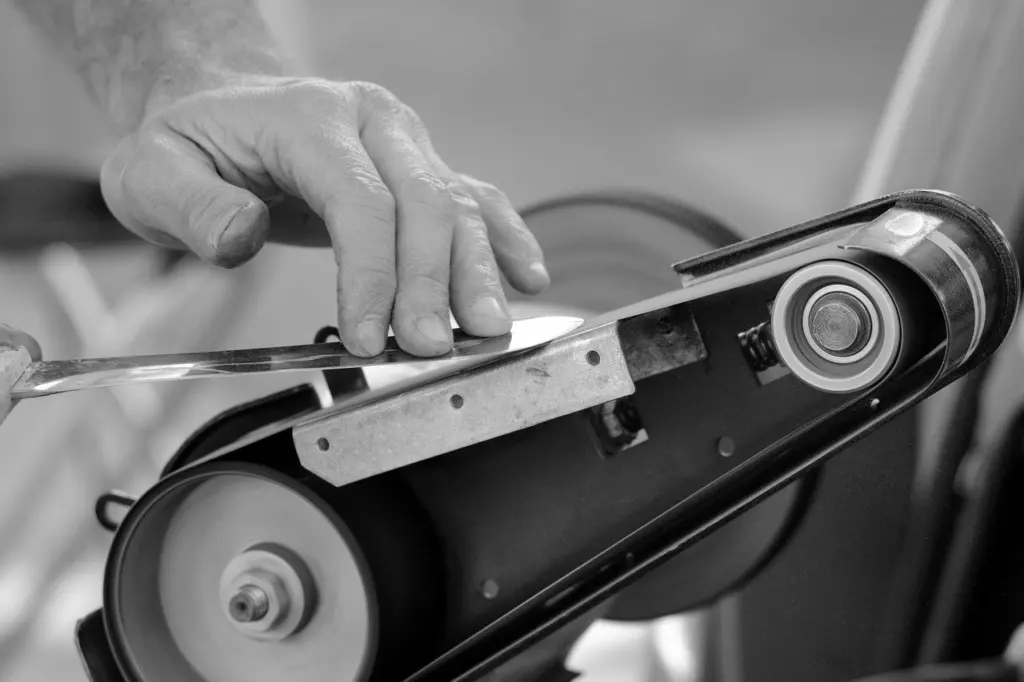
Sharpen a double-bevel knife on both sides of the blade, and a single-bevel knife on one side only. The single-bevel route takes more experience, so a beginner is better served by a gyuto or santoku than by a yanagiba.
Troubleshooting common problems
- Corrosion on the blade. This points to a carbon steel knife left damp. Keep it dry between uses, as Chubo Knives advises.
- A blade that feels awkward. If a gyuto feels too long, step down in size. Knives and Tools describes the 21 cm blade as more flexible than the 24 cm.
- An edge that has gone dull. Carbon steel is easy to sharpen, so regular touch-ups are manageable. On a single-bevel knife, work only the one beveled side.
- Uncertainty about bevel type. Read the product listing before buying. If it describes a one-sided grind, expect to need some sharpening experience.
Frequently asked questions
What does santoku mean?
Santoku means “three virtues” in Japanese, according to Sharp Edge Shop.
What size is a typical chef’s knife?
Chubo Knives gives a range of 7 to 10 inches for chef’s knives, with 8 inches the most popular size.
Do I need a utility knife as well as a gyuto?
Chubo Knives says a small utility knife plus a larger gyuto or santoku will let you do most tasks in the kitchen. A utility knife is a sensible small addition, and a nakiri is the natural next step if vegetables dominate your prep.