Want a ramen egg recipe that delivers a set white and a jammy, seasoned yolk without guesswork? The method is a timed boil, a cold bath and a soy sauce and mirin soak, and each stage has a clear checkpoint.
Quick answer: Boil large eggs for 6.5 to 7 minutes, move them straight into an ice bath, peel them cold, then marinate them in soy sauce, mirin and water in the fridge for at least 12 hours and up to 24 hours.
This technique belongs with the other fundamentals in our japanese cooking basics guide. Each section below starts with the default action, then says what to adjust if the result is off and when to stop.
Ingredients and equipment
Ajitama, short for ajitsuke tamago, is the Japanese name for the marinated egg that sits on top of a bowl of ramen. It needs very little: eggs, a savoury-sweet liquid and a few pieces of kitchen equipment you probably already own.
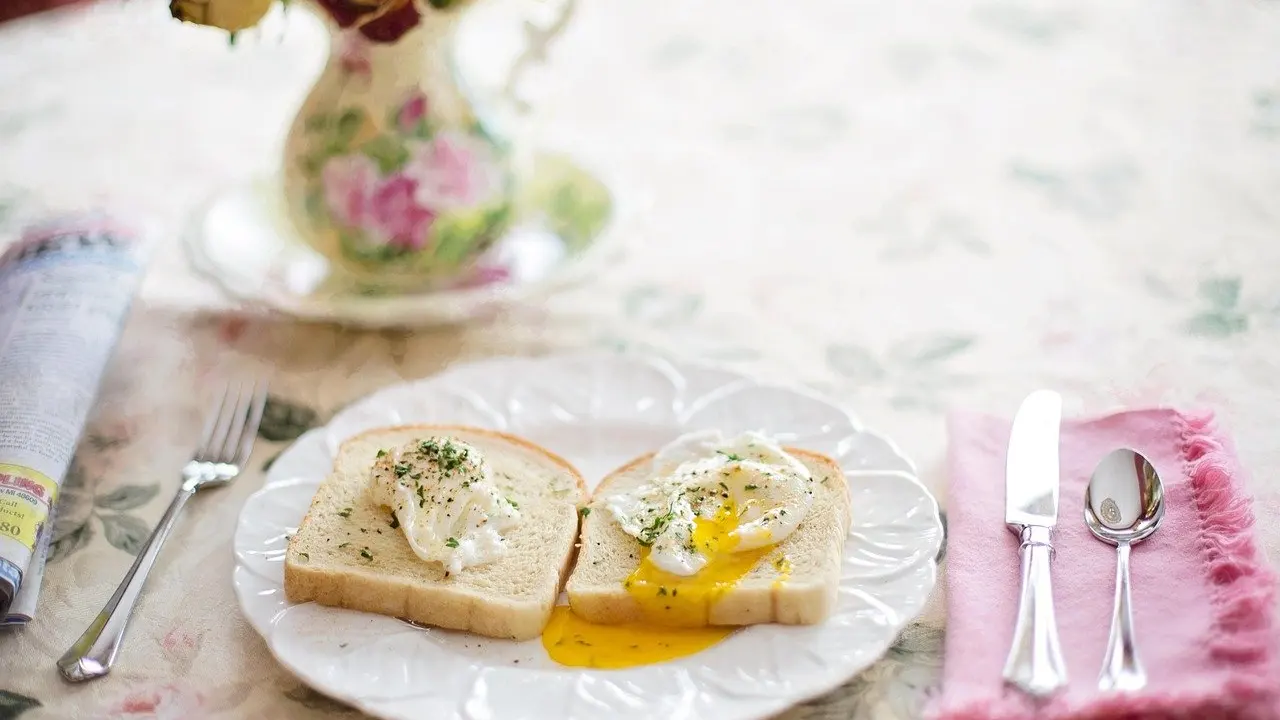
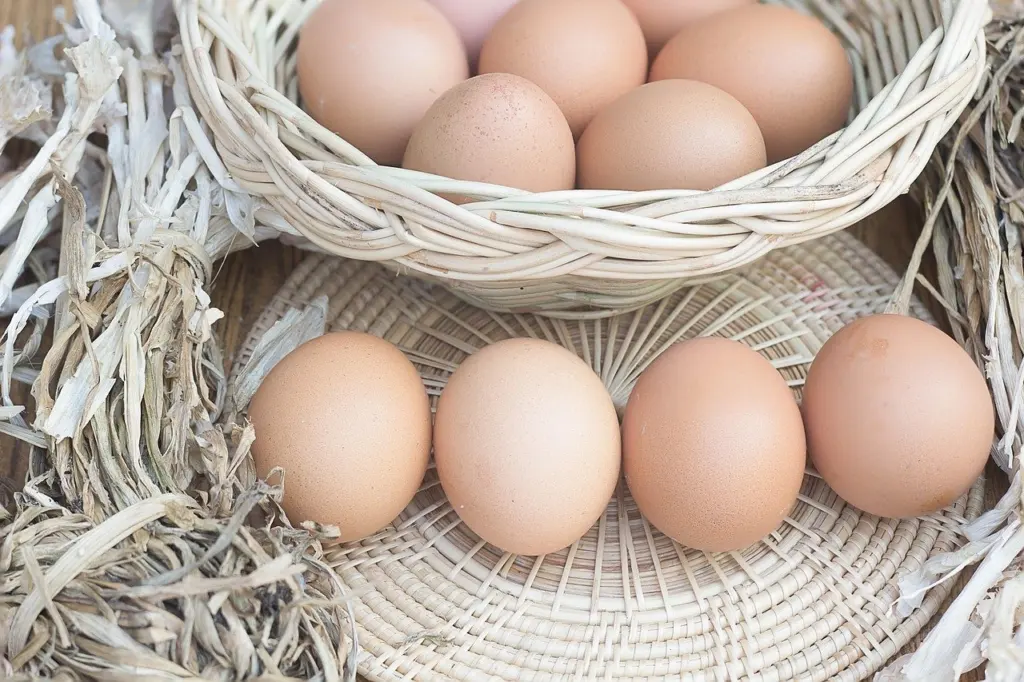
- Eggs: The timings in this guide are written for large eggs. The goal is a soft boiled egg, meaning a set white around a soft or jammy yolk.
- Soy sauce and mirin: These two form the base of the marinade. Mirin is a sweet Japanese seasoning traditionally made from rice wine, and it supplies the sweetness that balances the soy sauce.
- Water, plus optional extras: Water dilutes the marinade, and some recipes add sugar or sesame oil. The ratios are compared in the marinade section below.
- Equipment: You need a pot, a timer, a large bowl for the ice bath and a small freezer bag for marinating.
Plan the marinating around your schedule. The eggs spend most of their time resting in the fridge, so the hands-on work is short, and starting the day before you want to eat suits most households.
Boiling the eggs
Ramen eggs boil for 6.5 to 7 minutes for a soft-to-jammy yolk, counted from the moment the eggs go into boiling water, according to Our Best Bites. Accurate timing matters more here than at any other stage, because a minute decides whether the centre is soft, jammy or firm.
Timing by yolk texture
| Boil time (large eggs) | Result | Planning use |
|---|---|---|
| 6 minutes | The minimum for a set white | Treat this as the floor, not a target. |
| 6.5 minutes | Soft centre | Choose it if you want a looser yolk that runs into the broth. |
| 7 minutes or slightly more | Fully jammy centre | The default for most ramen bowls. |
| 6½ to 9 minutes | The manufacturer’s range, depending on how jammy you want the yolk | Stay inside this window when adjusting a later batch. |
| More than 10 minutes | Hard-boiled | Too long for ajitama. |
Timings come from Our Best Bites and from the Lee Kum Kee ramen egg recipe.
Steps and checkpoints
- Bring a pot of water to a boil.
- Lower all the eggs in at once, so every egg follows the same clock, and start the timer immediately.
- Lift every egg out at the same moment when the timer ends. Do not leave them in the hot water while you prepare the ice bath, so have the bath ready before you begin.
If you prefer to start the timer once the water reaches a simmer instead of a full boil, Tiffy Cooks sets it to 7 minutes from that point. The same recipe adds 1 to 2 more minutes for a firmer yolk. Treat that as your escalation step: change one variable per batch, and add time only after you have tasted the first result.
Ice bath and peeling
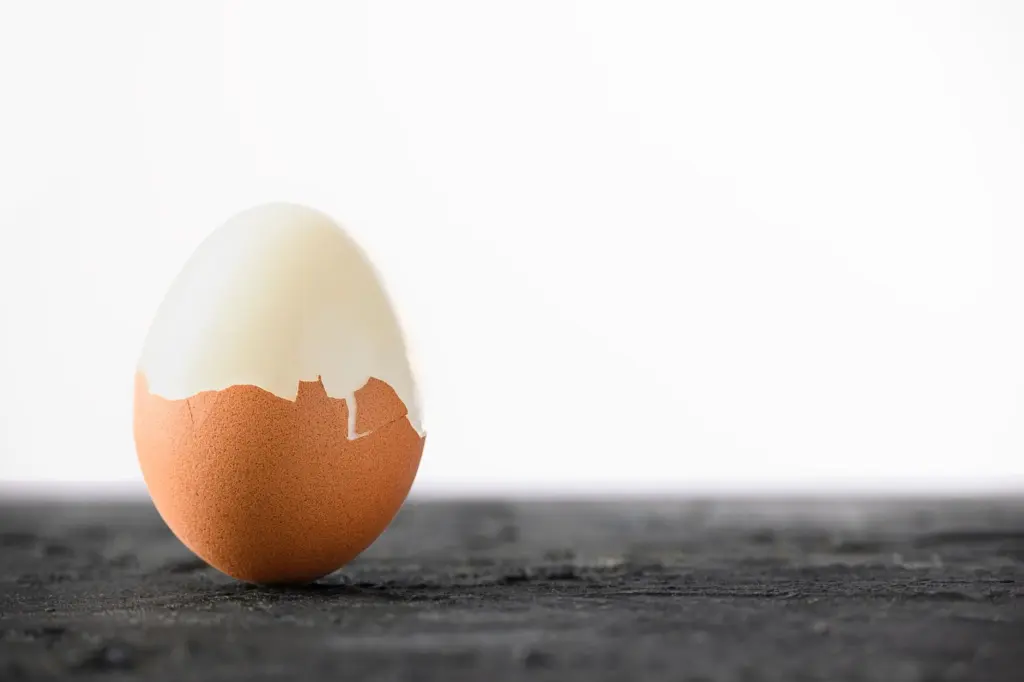
An ice bath stops the cooking at once and makes the eggs easier to handle, which is the main answer to how to peel soft boiled eggs without tearing them. A soft white is fragile, so the cold bath and the peeling method matter as much as the boil.
- Fill a large bowl with water and ice. Lee Kum Kee suggests a 4:1 ratio of water to ice.
- Move the eggs into the bath straight from the pot. Leave them in ice-cold water for at least 3 minutes.
- Keep them there until they are fully cool. Umami Girl allows about 15 minutes.
- Tap each egg lightly on a flat surface, as the Lee Kum Kee recipe advises, then peel it.
Peel the eggs while they are still cold, as Aline Made does before the eggs go into a freezer bag. A cold egg holds together better than a warm one, so if the white starts to tear, stop, return the egg to the ice water and wait before trying again. Rushing a warm egg is the most common reason the surface comes away in chunks.
Marinade ratio
A good ramen egg marinade ratio starts from soy sauce and mirin in equal measure, with water to dilute it. Published recipes differ mainly in how much water they add and whether they include sugar, so the table compares two of them.
| Ingredient | Six-egg blog recipe | Four-egg manufacturer recipe | Planning use |
|---|---|---|---|
| Soy sauce | 1/2 cup | 1/2 cup | The amount is the same in both, so the water decides the strength. |
| Mirin | 1/2 cup | 1/2 cup | Gives sweetness; identical in both. |
| Water | 1/2 cup | 1 1/2 cups | More water makes a less concentrated marinade. |
| Sugar | None listed | 1/4 cup | Add only if you want a sweeter egg. |
| Sesame oil | 1/2 tsp | None listed | An optional finishing note. |
The figures come from Our Best Bites for six eggs and the Lee Kum Kee recipe for four eggs.
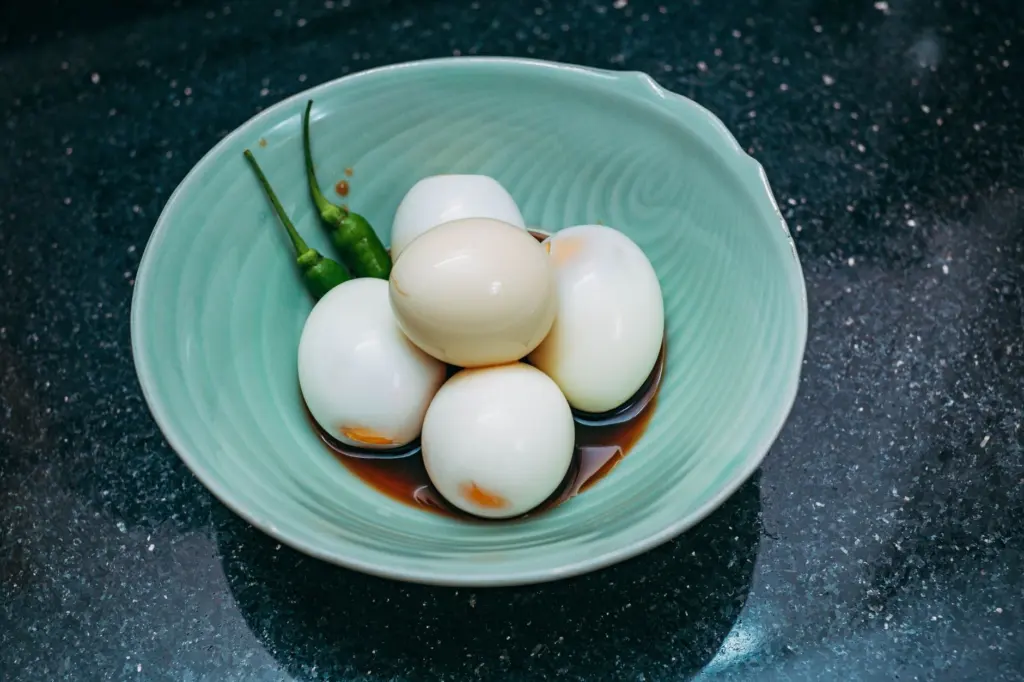
If you are cooking for six eggs and want a straightforward mixture, the equal-parts version is the simplest to remember and to scale. Choose the more diluted version when you plan a long soak and prefer a gentler result. Either way, use a container or bag small enough that the liquid covers the eggs. Aline Made puts the peeled eggs in a freezer bag, which keeps them submerged with less marinade.
One recipe also heats its marinade: Umami Girl brings it to a boil and simmers it for one minute before chilling. Doing so is optional for a simple batch, but it is a sensible step if you have added sugar and want it fully dissolved.
Marinating time
Marinate the eggs for 12 to 24 hours for a balanced result. Lee Kum Kee’s recipe says to cover them and leave them overnight, at least 12 hours and up to 24 hours. Keep them covered in the refrigerator the whole time, and turn them once or twice if they are not fully submerged.
| Time in the fridge | What to expect | Planning use |
|---|---|---|
| About 8 hours | A milder egg | Pick this when you need the eggs the same day and want a lighter flavour. |
| 12 to 48 hours | The full working range | Anywhere inside it makes a seasoned egg. |
| 24 to 48 hours | The deepest colour and flavour | Choose it for the darkest, most strongly flavoured egg. |
| More than about 36 hours | Too long | Take the eggs out before this point. |
The ranges come from Our Best Bites and Umami Girl.
A sensible stopping rule is to aim for about 24 hours, which sits inside every range above, and to remove the eggs from the liquid once they reach the colour you want. Shorten the soak next time if the flavour is stronger than you like, and lengthen it if the egg tastes plain.
Serving on ramen
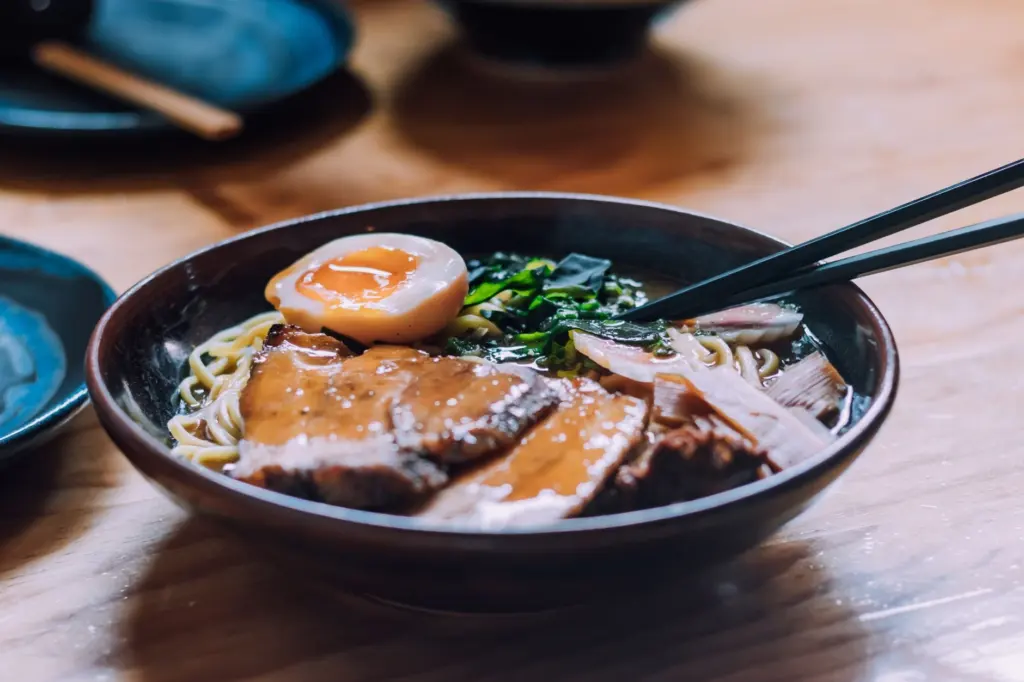
Cut the finished eggs in half and set them on the bowl as a topping, as Aline Made suggests. Halving shows off the yolk, and it is the quickest check that your timing worked: a jammy centre should be visibly soft rather than chalky.
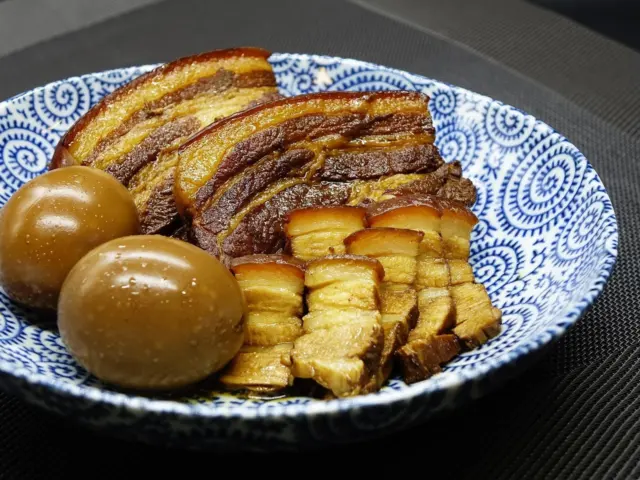
Among ramen toppings, the egg pairs well with sliced pork. If you are building the whole bowl, our chashu pork recipe shows how to prepare the meat to sit beside it.
Frequently asked questions
Can I replace mirin in the marinade?
Yes. Aline Made says mirin can be replaced with 2 tablespoons of rice vinegar and 2 teaspoons of sugar.
Can I reheat a marinated egg?
Do not microwave or boil it. Our Best Bites advises against both methods for reheating marinated eggs; a brief dip in very warm water is the gentler route.
Can I add sake and sugar to the marinade?
Yes. Umami Girl uses 1/2 cup each of soy sauce, mirin and sake with 1/4 cup (50 g) of sugar. It is brought to a boil and simmered for one minute.
How long should I boil eggs for a firm yolk?
Cook them for 8 to 9 minutes if you prefer a hard-boiled yolk. The yolk will then no longer be jammy.